Energy IQ : pourquoi la fiabilité de l’électricité n’est pas notre seule préoccupation
Customers' emerging needs around sustainability and economics are making distributed generation an important component of electricity markets.

In a 2003 Ted Talk, Jeff Bezos, Chairman, CEO and President of Amazon, reflected back to what he called the "golden age" of the electric revolution. C’était une époque où le besoin essentiel des clients en matière d’électricité était simplement la fiabilité : que les lumières s’allument et que les appareils fonctionnent chaque fois que les clients en avaient besoin.
"The killer app that got the world ready for appliances was the light bulb. So the light bulb is what wired the world," Bezos said. "And they weren't thinking about appliances when they wired the world…they weren't putting electricity into the home. They were putting lighting into the home."
 Without any doubt, reliable electrical power is critical, yet today's electricity customers need more. Below we look at two emerging needs beyond reliability.
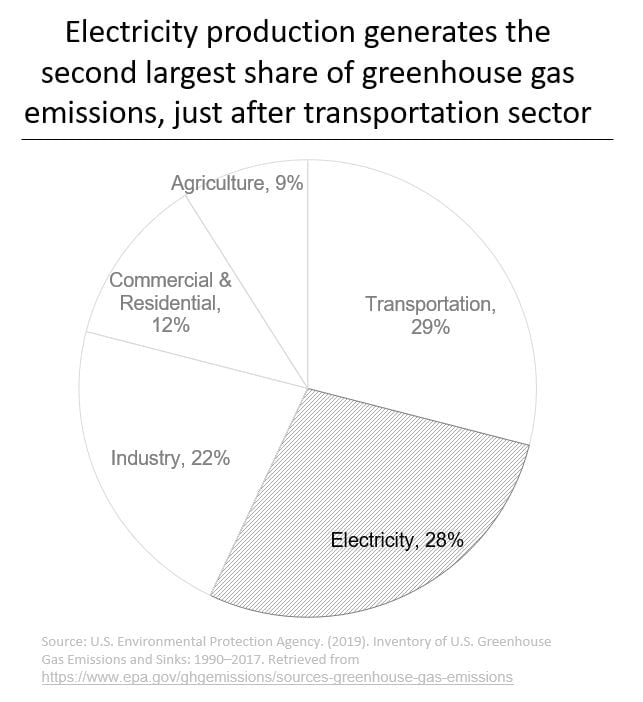
- Sustainability: Our society has shown a growing importance on sustainability across many aspects of our lives, from electric cars to recyclables. Electricity production also gets its fair share of focus in sustainability for two primary reasons. First, the scale; it is estimated that electricity production generates 28-31% of all man-made greenhouse gas emissions (GHGs). Second, the technology; integration of renewables to our electricity ecosystem is easier than ever before thanks to the rapid advancements in technologies ranging from energy storage to monitoring. As a result, electricity customers, whether residential, commercial or industrial, seek more sustainable solutions.
- Economics: Whether, residential or commercial customers, not pro-actively managing their electricity bill may be leaving money on the table. The digitalization of electric power infrastructure empowers customers to more effectively manage their economics. Below are three examples outlining how today’s electricity customers could manage the efficiency of their electricity:
- Demand response: A residential customer can reduce an electricity bill by using a smart thermostat and by collaborating with the utility company or thermostat vendor. In this arrangement, when there is peak demand for electricity, the utility company could change the household’s temperature setting and decrease household’s electricity consumption during peak hours, reducing the electricity bill. Non-residential customers can also take advantage of demand response.
 Demand Charge Management: Unlike residential customers where the electricity bill is solely focused on energy (kWh) consumed, larger industrial and commercial customers’ electricity bills could include energy consumed (kWh) and power used, or demand charge (kW). These customers could minimize demand charge costs by producing, storing and using some of their electricity need. For instance, they can use solar photovoltaic panels to produce electricity, batteries to store excess electricity, then use the stored electricity when the demand charge of the facility peaks. This will avoid higher costs associated with demand charge.
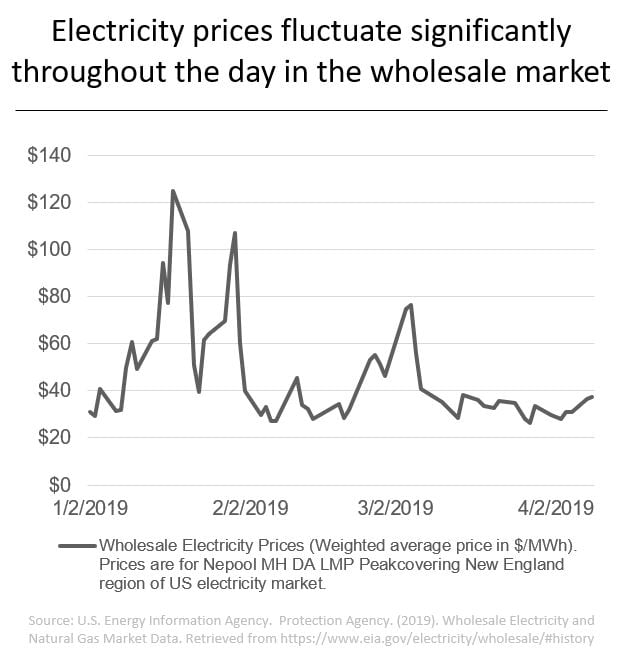
 - Commodity Hedging: Wholesale markets are where utility companies, independent power producers and electricity marketers participate to bring retail electricity to customers. As the electricity prices fluctuate in the wholesale market, these participants and their customers turn to hedging as one of the solutions to manage the price volatility. Hedging allows companies to lock in an attractive price or to minimize financial loss if the price swings against the company’s position; another lever for electricity market participants to manage the economics of electricity.
These emerging customer needs around sustainability and economics are shaping today's electricity markets. Unlike the regulated electricity markets of previous decades with centralized generation, today's electricity markets feature increased deregulation and an ecosystem where centralized and distributed generation co-exists.
At Cummins Inc., we partner with customers that have varying needs around electricity generation. If you are interested in learning about different distributed generation use cases, and how these use cases map to varying customer needs, check out this article.
To learn more about trends in electricity generation and energy follow Cummins on Facebook and LinkedIn.
Profils d'auteurs