
Cummins K Series Parts
There is a Difference
Many competitive parts manufacturers try to reverse engineer Cummins parts and build something reasonably close at a cheaper price. The problem is, these non-genuine parts usually don't meet critical specifications either dimensionally or from a materials standpoint.
Breaking down the difference
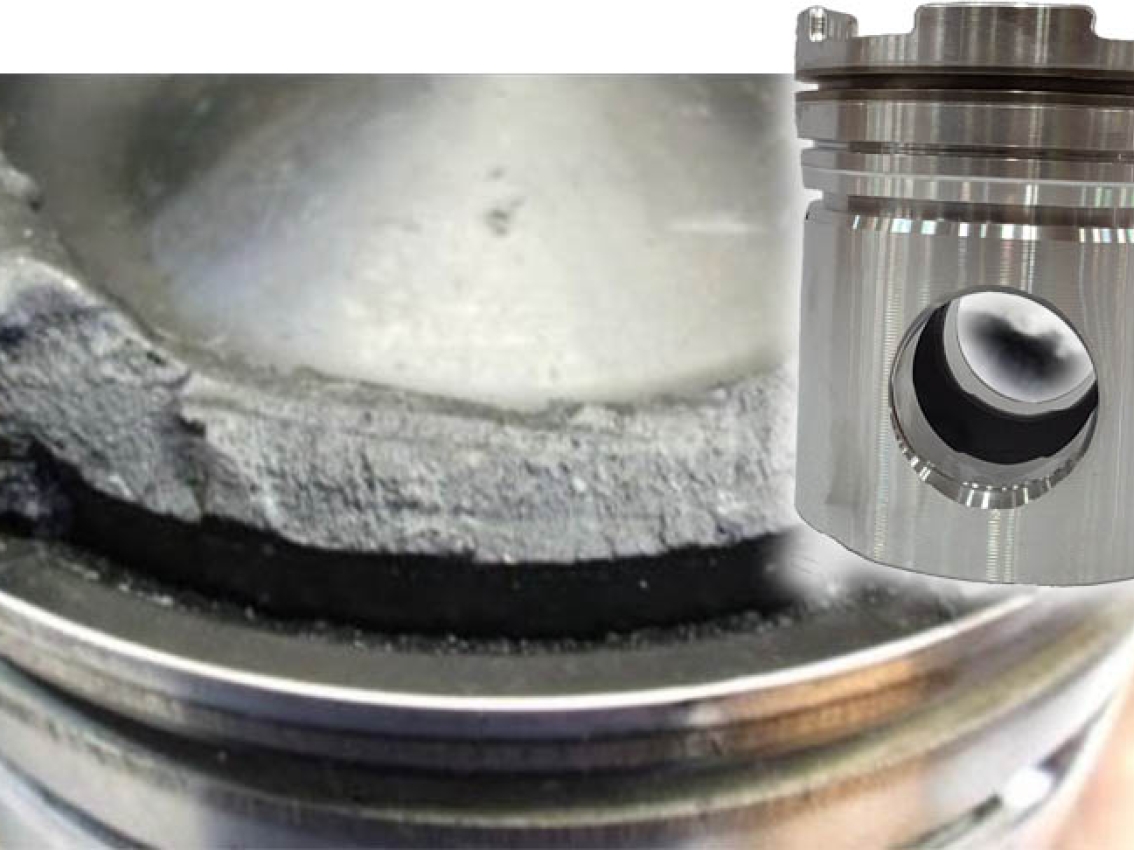
We tested 237 non-genuine components for 19L and above engines including pistons, rings, valves, cylinder liners, connecting rods and pins. In virtually every case, issues were identified which would have a negative impact on fuel economy, performance, blow-by, reliability and durability.
Below is a summary of findings for each part, and the danger of using anything but genuine Cummins parts.
POTENTIAL IMPACTS
Pistons
| Issue | Damage/Performance |
|---|---|
| Shallow ring grooves | Ring breakage, high oil consumption, blowby, scuffing |
| Out-of-spec bowl dimensions | Excess heat, cracking, high fuel consumption, visible smoke |
| Debonding of ring carriers | Catastrophic engine failure |
Piston rings
| Issue | Damage/Performance |
|---|---|
| Out-of-spec ring angles |
Insufficient sealing, excess fuel usage, decreased performance |
| Incorrect size of oil ring (too thick) | Poor oil scraping, excessive oil consumption |
| Incorrect size of top ring (too thin) | Excess rotation, poor sealing, increased blowby |
Piston pins
| Issue | Damage/Performance |
|---|---|
| Missing from some kits |
Repaid delays, downtime, extra cost |
| Out-of-spec outer diameters |
Incorrect fit issue, repair delays |
| Intergranular oxidation | Manufacturing defect, increased potential for premature fatigue and cracking |
Cylinder liners
| Issue | Damage/Performance |
|---|---|
| Oversize outer diameters |
Radial stress leading to metal fatigue |
| Insufficient lower outer diameters |
Liner rocking and fretting |
| Oversize inner diameters |
Cavitation leading to pitting, coolant leaks and mission-disabling failure |
| Improper cross-hatching |
Compromised lubrication, increased wear, higher blowby and oil consumption, decreased service life |
| Excess crystals in liner coating |
Poor coating adhesion |
| Insufficient metal strength | Premature wear, potential failure |
Valve springs
| Issue | Damage/Performance |
|---|---|
| Below spec for hardness |
Degraded performance over time |
| Insufficient height load | Improper seating resulting in combustion leaks and premature wear-out of valve seat inserts |
Valve seat inserts
| Issue | Damage/Performance |
|---|---|
| Runout does not meet specifications, can't square to seat | Increased wear, combustion leakage, potential valve failure |
Connecting rod bearings
| Issue | Damage/Performance |
|---|---|
| Tangs too narrow |
Interference issues, misalignment of oil holes hindering oil flow |
| Metals sintered, not cast |
Lower corrosion resistances |
| Excess lead pooling | Fatigue cracking |
Connecting rod bushings
| Issue | Damage/Performance |
|---|---|
| Excess lead in lining layer | Delamination and crackin |
Saving a little upfront could ultimately cost you
Using non-genuine parts does more than compromise the performance of your high-horsepower engine.
It jeopardizes your business and makes it hard to meet customer expectations. The miniscule amount you save upfront using non-genuine parts is likely to cost you big time down the road. When your profitability and reputation count on it, use Genuine Cummins Parts to assure continuous performance.

Early life
failure

Downtime

Non-warranty
repair cost

Additional
fuel cost

Catastrophic
failure
Only buy Genuine Cummins parts and accessories from
Cummins distributors or Cummins authorized dealer locations


